Exploring the Benefits of Ceramic Weld Backing in Industrial Applications
Understanding Ceramic Weld Backing
What is Ceramic Weld Backing?
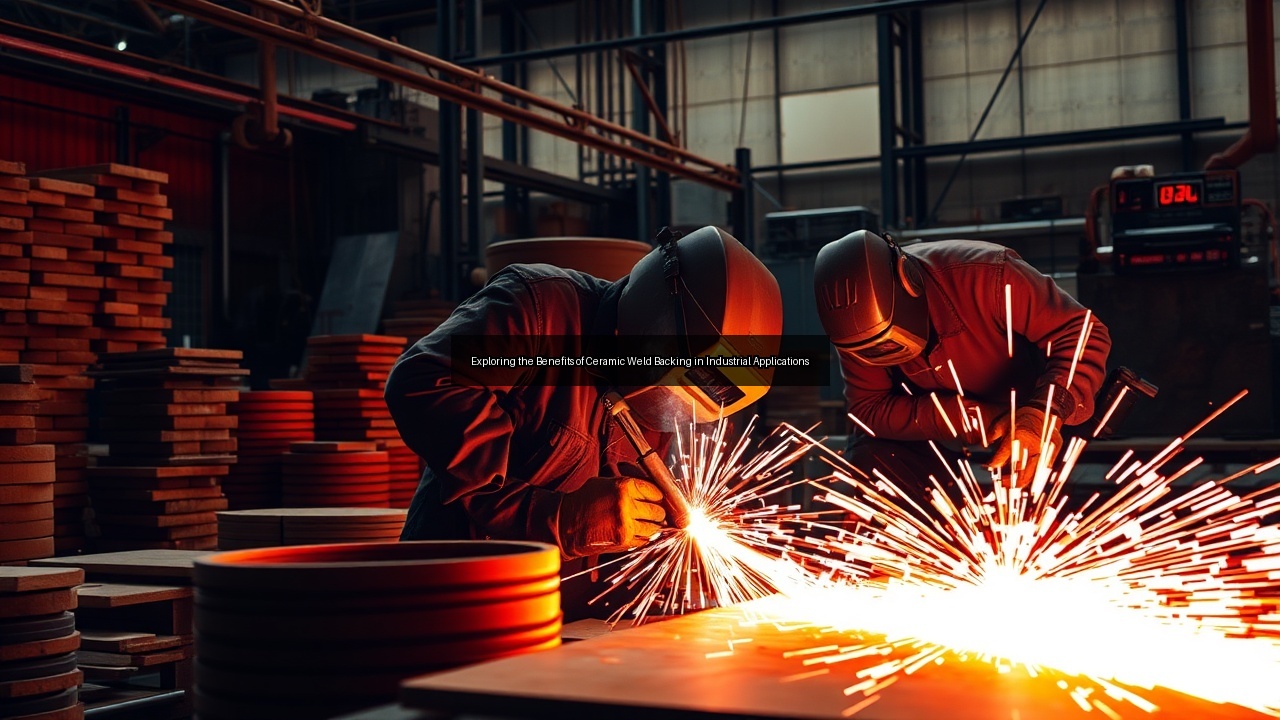
Ceramic weld backing serves as an essential component in welding processes, providing support and improving the quality of welds during fabrication. Essentially, it acts as a barrier between the weld pool and the base material, preventing contamination and ensuring a more uniform bead. The use of ceramic materials in this context allows for better heat management and reduces the likelihood of defects. Ceramics, known for their high thermal resistance, can withstand extreme temperatures typical of welding applications, such as those encountered during TIG welding. This makes ceramic weld backing an invaluable tool for welders aiming to enhance the integrity of their welds.
Types of Ceramic Materials Used in Welding
Comparative Analysis of Ceramic vs. Traditional Weld Backings
Ceramic weld backings stand out when compared to traditional weld backings, such as metal or polymer-based options. Traditional methods often struggle with heat dissipation and can lead to warping or distortion in the workpiece. In contrast, ceramic materials provide superior thermal insulation while allowing for better control over the welding arc. Furthermore, ceramic weld backings are less prone to contamination, which can significantly affect weld quality. While traditional backings may be less expensive upfront, the long-term benefits of ceramic backings, including reduced rework and improved weld integrity, make them a more cost-effective choice in high-stakes industrial applications. Ultimately, this comparative analysis highlights the advantages of adopting ceramic weld technology in modern welding practices.
Advantages of Using Ceramic Weld Backing
Enhanced Weld Quality and Integrity
Utilizing ceramic weld backing significantly enhances the quality and integrity of welds. The stability provided by ceramics reduces the chances of defects such as porosity, cracking, and incomplete fusion. Welders benefit from a cleaner environment during the welding process; the ceramic backing minimizes the introduction of contaminants like oxygen and moisture, which can compromise weld quality. Moreover, ceramic materials help in controlling the heat input, which is vital in processes like TIG welding. Improved thermal control reduces the risk of warping and distortion, allowing for tighter tolerances and better overall fit in fabricated components. This enhanced weld quality not only meets industry standards but also ensures durability and reliability in finished products.
Cost-Effectiveness in Industrial Applications
Ceramic weld backing offers significant cost-effectiveness for industrial applications. While the initial investment in ceramic backing strips or tapes may be higher than traditional materials, the long-term savings become apparent through reduced rework and increased productivity. The enhanced weld quality leads to fewer defective parts, minimizing scrap and waste. Additionally, the durability of ceramic materials extends the lifespan of the backing itself, leading to fewer replacements over time. This aspect is especially beneficial in high-volume production environments, where every penny counts. By investing in ceramic weld backing, companies can achieve a better return on investment, ultimately improving their bottom line while maintaining high-quality standards.
Heat Resistance and Durability
Ceramic materials exhibit remarkable heat resistance and durability, making them ideal for challenging welding environments. The ability to withstand extreme temperatures without degradation is a key advantage of ceramic weld backing. This property allows for uninterrupted welding operations, even under demanding conditions. In applications involving metals that require high heat input, such as stainless steel or aluminum, ceramic backing proves invaluable. The durability of ceramic weld backings also translates into resistance against wear and tear, ensuring consistent performance over time. Welders can rely on ceramic materials to maintain their structural integrity, thus enhancing the overall efficiency of the welding process.
Applications in the Industrial Sector
Ceramic Weld Backing in TIG Welding
TIG welding, known for its precision and versatility, benefits immensely from the use of ceramic weld backing. The unique properties of ceramics provide excellent support during the welding process, ensuring a clean and strong weld. In TIG applications, welders often work with thin materials that require precise heat control. The insulation provided by ceramic backing prevents overheating and distortion, allowing for cleaner, more accurate welds. Furthermore, ceramic weld backings can withstand the concentrated heat generated during TIG welding, which is crucial for maintaining integrity in high-quality joints. As a result, many professional welders prefer ceramic weld backing for its ability to enhance weld quality while maintaining the necessary precision.
Use in Various Metal Fabrication Processes
Ceramic weld backing finds extensive use in various metal fabrication processes beyond TIG welding. Industries that require heavy-duty welding, such as shipbuilding, automotive, and aerospace, leverage the advantages of ceramic materials. For instance, in the production of large metal components, ceramic backing helps to maintain the shape and integrity of the welds, reducing the chances of warping. Additionally, in the fabrication of complex assemblies, ceramic weld backing aids in achieving the necessary alignment and fitment. The versatility of ceramic materials also allows them to be used effectively in different welding processes, including MIG and stick welding, further broadening their application across multiple sectors.
Case Studies: ESAB and Gullco International
Several industry leaders have successfully implemented ceramic weld backing to enhance their welding processes. ESAB, a global leader in welding and cutting technologies, has adopted ceramic weld backing in its advanced welding solutions. By integrating ceramic materials into their processes, ESAB has improved weld quality and reduced defect rates, ensuring superior performance for their customers. Similarly, Gullco International has embraced ceramic weld backing in their automated welding systems. The company’s commitment to quality and innovation has led to noteworthy advancements in welding efficiency and reliability. These case studies illustrate the tangible benefits of using ceramic weld backing, showcasing its impact on industry standards and practices.
Best Practices for Application and Maintenance
Selecting the Right Ceramic Backing Strip or Tape
Choosing the right ceramic backing strip or tape is crucial for optimizing welding performance. Factors to consider include the thickness, material composition, and size of the backing. Welders should assess the specific requirements of their projects, such as the type of metal being welded and the welding process employed. Selecting a ceramic backing that aligns with these factors ensures optimal thermal insulation and support. Additionally, compatibility with welding rods and other materials is essential for achieving the best results. Consulting with manufacturers or suppliers can provide valuable insights into the most suitable ceramic options for various applications.
Maintenance Tips for Longevity
Maintaining ceramic weld backing is essential for ensuring longevity and consistent performance. Regular inspection for wear and tear is vital, as damaged backing can lead to compromised weld quality. Cleaning the ceramic surface to remove slag and debris enhances adhesion and prevents contamination. Applying a protective coating can further extend the life of ceramic materials, especially in harsh environments. Additionally, proper storage away from moisture and extreme temperatures ensures that the ceramic backing retains its optimal properties. Following these maintenance tips can significantly enhance the lifespan and effectiveness of ceramic weld backing in industrial applications.
Common Mistakes to Avoid with Ceramic Weld Backing
New welders often make mistakes when using ceramic weld backing, which can lead to reduced weld quality. One common error is improper alignment of the backing with the workpiece, resulting in inconsistent welds. Additionally, failing to clean the ceramic backing before use can introduce contaminants, negatively affecting the weld. Overheating the ceramic backing can also lead to cracks or deformation, compromising its effectiveness. Ensuring the correct setup and following manufacturer guidelines can help avoid these pitfalls. By being aware of these common mistakes, welders can maximize the benefits of ceramic weld backing, leading to superior outcomes in their welding projects.
See Also
- The Environmental Benefits of Using Ceramic Weld Backing
- A Beginner's Guide to Understanding Ceramic Weld Backing
- How to Choose the Right Ceramic Weld Backing for Your Project
- Ceramic Tile vs Ceramic Weld Backing Which One to Use
- The Essential Guide to Choosing the Right Ceramic Weld Backing for Your Next Project