Unlocking the Benefits of a Dedicated Outdoor Air System for Enhanced Air Quality
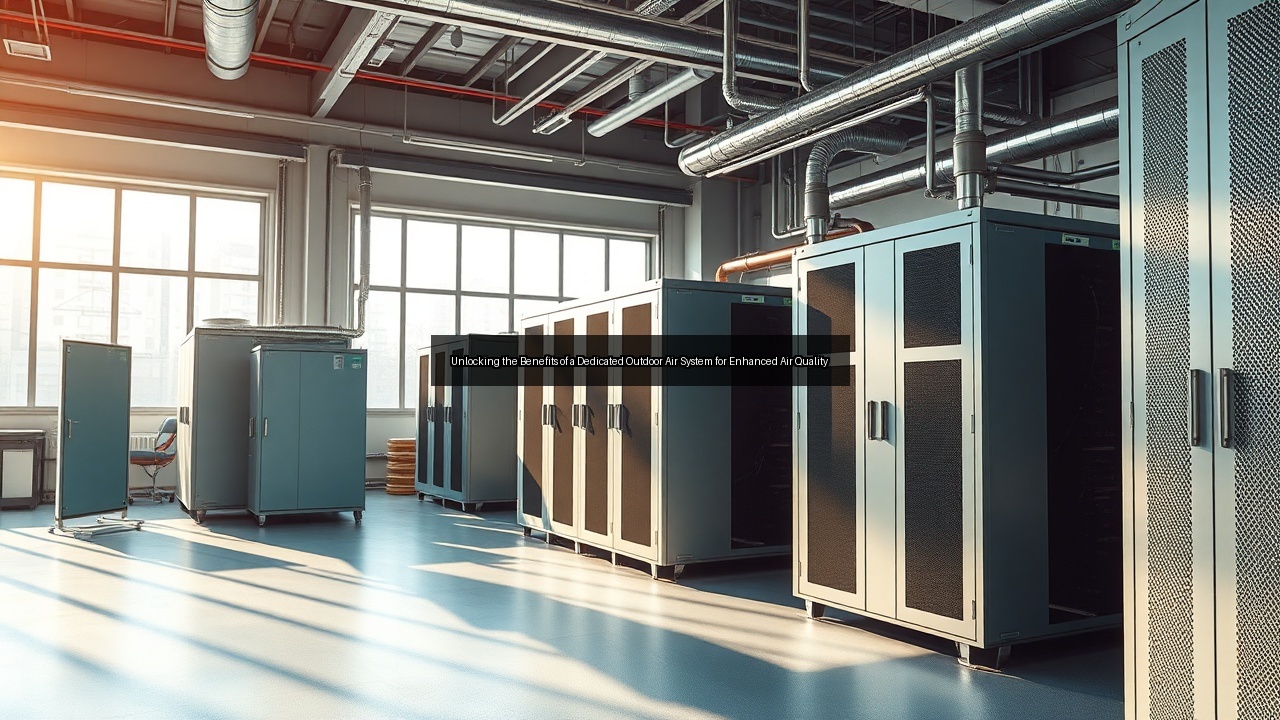
Understanding Dedicated Outdoor Air Systems
What is a Dedicated Outdoor Air System?
A dedicated outdoor air system (DOAS) focuses on delivering fresh outdoor air directly into indoor spaces while maintaining precise temperature and humidity levels. Unlike traditional HVAC setups that recirculate indoor air, DOAS specifically manages the influx of outdoor air, ensuring optimal air quality and comfort. The system works independently from the heating and cooling processes, which allows for improved control over indoor environments. By integrating a dedicated outdoor air system, buildings can significantly enhance the quality of air circulating within, reducing pollutants and allergens that often compromise health and comfort.
How DOAS Works: The Engineering Behind the System
The engineering behind a dedicated outdoor air system revolves around several key processes. First, the system pulls outdoor air through filters that remove particulate matter, dust, and other contaminants. This pre-conditioned air then undergoes further treatment, where it is heated or cooled as needed to meet the desired indoor conditions. The DOAS employs a three-phase approach to ensure optimal performance: it first preconditions the air, then delivers it through a network of ducts, and finally integrates with existing air conditioning systems for overall environmental balance. This results in a well-regulated indoor climate that supports health and productivity.
Key Components of Dedicated Outdoor Air Systems
Several critical components make up a dedicated outdoor air system. These include air handling units (AHUs), which condition and distribute the outdoor air; heat exchangers, which help maintain energy efficiency by transferring heat between incoming and outgoing air; and filtration systems that ensure clean air reaches occupants. Additionally, sensors and controls are vital for monitoring air quality and adjusting flow rates based on real-time data. Together, these elements create a robust air system capable of tackling various applications, from commercial buildings to industrial sites, ensuring reliability and consistent air quality.
Benefits of Implementing a Dedicated Outdoor Air System
Enhanced Air Quality: Reducing Ozone and Carbon Dioxide Levels
The primary advantage of a dedicated outdoor air system lies in its ability to significantly enhance indoor air quality. By continuously introducing fresh outdoor air, DOAS helps dilute indoor pollutants such as carbon dioxide and volatile organic compounds (VOCs). This process effectively reduces harmful ozone levels, which can aggravate respiratory conditions and impact overall health. Improved air quality not only benefits individual occupants but also enhances workplace productivity by reducing absenteeism due to illness. Implementing a dedicated outdoor air system can lead to cleaner, healthier indoor environments that promote well-being and comfort.
Reliability in Various Applications: From Office Buildings to Oil and Gas
Dedicated outdoor air systems prove their reliability across diverse applications. In office buildings, DOAS provides consistent airflow, ensuring that workspaces remain comfortable and conducive to productivity. In sectors like oil and gas, where air quality is critical due to potential exposure to hazardous materials, a dedicated outdoor air system ensures that fresh air continuously circulates, minimizing risks. The flexibility of DOAS makes it suitable for various environments, including schools, hospitals, and manufacturing facilities, demonstrating its capacity to adapt to specific air quality needs while maintaining operational efficiency.
Cost-Effectiveness: Analyzing Long-Term Savings and Efficiency
While the initial investment in a dedicated outdoor air system may seem considerable, the long-term cost-effectiveness often justifies the expense. DOAS enhances energy efficiency by using less energy than traditional systems that rely on recirculated air. By improving indoor air quality and reducing the need for extensive HVAC modifications, organizations can save on energy bills while lowering maintenance costs. Moreover, healthier indoor environments lead to increased employee productivity and decreased healthcare costs, making DOAS not just an air quality solution, but also a smart financial decision.
Calibration and Maintenance for Optimal Performance
Importance of Regular Calibration in Air Quality Management
Regular calibration of a dedicated outdoor air system is essential for maintaining optimal air quality and system performance. Calibration ensures that sensors accurately measure air quality parameters such as temperature, humidity, and pollutant levels. This process allows for timely adjustments to airflow and conditioning settings, which are crucial for maintaining a consistent indoor climate. Failure to calibrate can result in inefficient operation, leading to poor air quality and increased energy consumption. Establishing a routine calibration schedule helps ensure that the system functions effectively, providing reliable performance over time.
Maintenance Tips for Ensuring Reliability in DOAS
To ensure the reliability of a dedicated outdoor air system, regular maintenance is critical. This includes changing filters regularly to prevent dust and contaminants from compromising air quality. Inspecting and cleaning the heat exchangers and ducts helps maintain energy efficiency and airflow. Additionally, routine checks of the system's mechanical components, such as fans and pumps, are vital to prevent breakdowns. Implementing a proactive maintenance plan fosters system longevity and reliability, ensuring that the dedicated outdoor air system continues to deliver fresh, clean air efficiently.
Integrating DOAS with Existing Air Conditioning Systems
Integrating a dedicated outdoor air system with existing air conditioning systems enhances overall HVAC performance. By using DOAS to manage outdoor air intake, traditional air conditioning units can focus on cooling and dehumidifying indoor spaces more effectively. This integration allows for a more balanced approach to indoor climate control, minimizing energy consumption and maximizing comfort. Engineers often design DOAS to interface seamlessly with existing setups, providing a streamlined solution that enhances air quality without requiring a complete system overhaul. This compatibility ensures that organizations can upgrade their air quality management without substantial disruptions.
Future of Dedicated Outdoor Air Systems in Various Industries
Applications in Data Centers and Server Rooms
Dedicated outdoor air systems play a crucial role in maintaining optimal conditions in data centers and server rooms. These environments require precise temperature and humidity control to protect sensitive equipment, such as servers and networking hardware. By using DOAS, facility managers can ensure a steady supply of fresh air while effectively removing heat generated by equipment. This not only enhances cooling efficiency but also extends the lifespan of critical infrastructure. As data demands grow, the integration of dedicated outdoor air systems will become increasingly essential in providing reliable cooling solutions.
The Role of DOAS in Sustainable Building Practices
Dedicated outdoor air systems contribute significantly to sustainable building practices by promoting energy efficiency and reducing environmental impact. By ensuring optimal air quality and minimizing energy consumption, DOAS aligns with green building standards and certifications. This commitment to sustainability not only benefits the environment but also enhances the marketability of buildings. Organizations that prioritize air quality through dedicated outdoor air systems demonstrate their dedication to health and sustainability, appealing to environmentally conscious tenants and consumers.
Innovations in Outdoor Air Systems for Enhanced Performance
The future of dedicated outdoor air systems holds exciting innovations that promise enhanced performance and efficiency. Advancements in sensor technology and data analytics allow for real-time monitoring and adjustments, leading to even better air quality management. Moreover, the integration of artificial intelligence can optimize airflow based on occupancy levels and air quality measurements. These innovations pave the way for smarter, more responsive outdoor air systems that adapt to changing conditions, ensuring that indoor environments remain healthy and comfortable. As technology evolves, dedicated outdoor air systems will continue to play a vital role in air quality management across various industries.