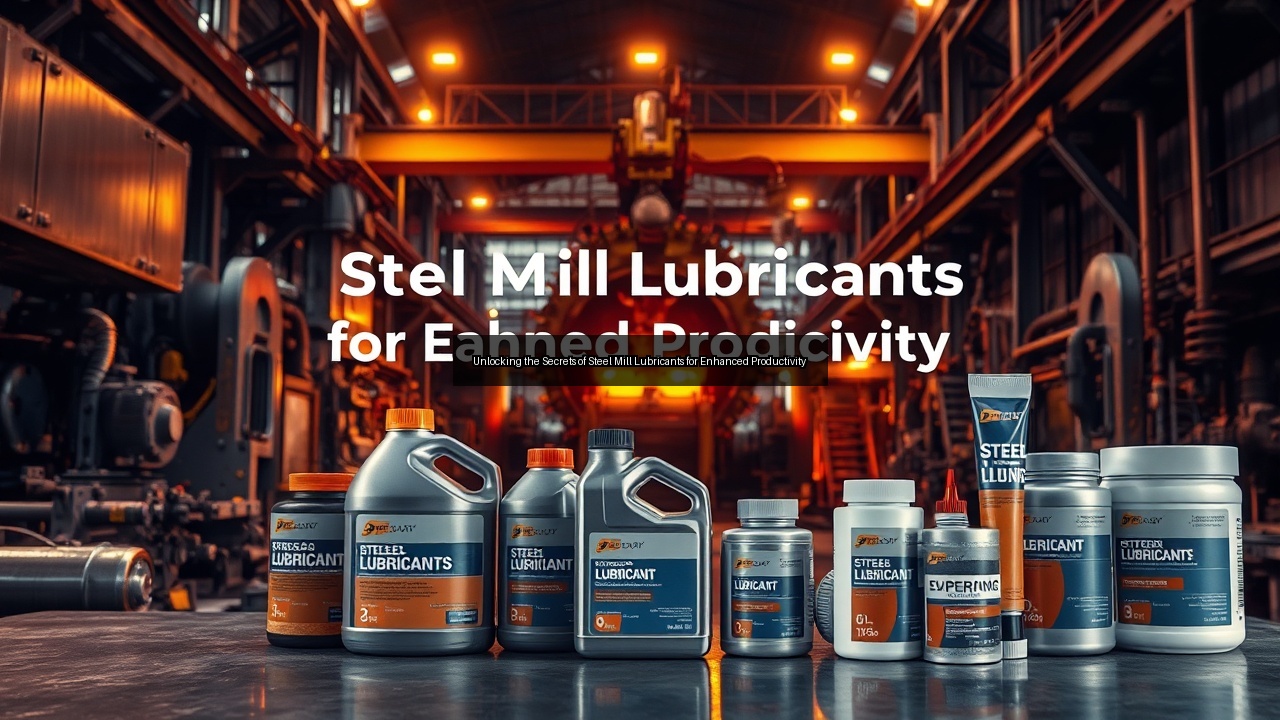
Unlocking the Secrets of Steel Mill Lubricants for Enhanced Productivity
The Role of Steel Mill Lubricants in Steel Production
Understanding Steel Mill Operations
Steel mill operations involve intricate processes that transform raw materials into finished steel products. These operations encompass various stages, including melting, casting, rolling, and finishing. Each stage requires precise control over temperature and pressure, making effective lubrication essential. Steel mills utilize a range of machinery, such as furnaces, rolling mills, and continuous casting equipment, all of which demand consistent and reliable lubrication to function optimally. Without adequate lubrication, equipment can suffer wear and tear, leading to costly downtimes and reduced productivity. Proper lubrication minimizes friction, dissipates heat, and protects components from corrosion, ensuring that the steel production process runs smoothly and efficiently.
Types of Lubricants Used in Steel Mills
Steel mill lubricants fall into several categories, each tailored to specific applications within the steel production process. Common types include oils, greases, and metalworking fluids. Oils, often used in high-temperature environments, provide excellent cooling properties and can handle the extreme conditions found in hot rolling processes. Lubricating greases, on the other hand, offer superior adhesion and protection against contaminants, making them ideal for bearings and gears in heavy machinery. Metalworking fluids, which include cutting oils and emulsions, play a crucial role in machining operations, enhancing tool life and surface finish. Selecting the appropriate lubricant for each application is vital for maximizing equipment longevity and ensuring consistent steel quality.
Key Benefits of Effective Lubrication
Effective lubrication serves multiple purposes in steel mills, significantly enhancing operational efficiency. Firstly, it reduces friction between moving parts, which directly decreases wear and tear on machinery components. This reduction in wear extends the lifespan of equipment, leading to lower maintenance costs and less frequent replacements. Secondly, lubricants aid in heat dissipation, which is critical in high-temperature processes like hot rolling and continuous casting. Proper heat management prevents overheating, which can lead to catastrophic failures. Additionally, effective lubrication minimizes the risk of contamination, protecting steel products from defects that can arise during production. Ultimately, a well-implemented lubrication strategy boosts productivity, ensuring that steel plants operate at peak efficiency.
Optimizing Productivity with the Right Lubricants
Impact of Lubrication on Manufacturing Efficiency
Manufacturing efficiency in steel mills hinges on multiple factors, with lubrication playing a pivotal role. The right steel mill lubricants can significantly enhance productivity by ensuring that machinery operates smoothly and effectively. Poor lubrication leads to increased friction, which in turn results in higher energy consumption and slower production rates. Optimized lubrication reduces the energy required for machinery to function, allowing for faster processing times and higher output. Furthermore, effective lubrication minimizes downtime caused by equipment failures. Predictive maintenance, enabled by proper lubricant application, allows for timely interventions before failures occur, ensuring that the production line remains active. In this way, lubrication not only improves machinery performance but also contributes to overall manufacturing efficiency.
Choosing the Right Metalworking Fluids
Selecting the appropriate metalworking fluids is crucial for maintaining high productivity levels in steel mills. These fluids vary widely in formulation and purpose, making it essential to match them with the specific requirements of each application. For instance, water-soluble cutting fluids offer excellent cooling properties and are ideal for machining operations, while neat oils provide superior lubricity for processes requiring higher performance. Factors such as the type of metal, machining speed, and tool material influence the choice of fluid. Additionally, considerations like environmental impact and worker safety come into play. Steel plants must evaluate these factors carefully to choose metalworking fluids that not only enhance productivity but also align with sustainability goals and regulatory requirements.
Cost Considerations for Lubricant Selection
Cost plays a significant role in the selection of steel mill lubricants, as businesses strive to maintain profitability while ensuring operational efficiency. While premium lubricants may come with a higher initial price tag, their long-term benefits often outweigh the costs. High-quality lubricants can extend equipment life, reduce maintenance frequency, and improve overall productivity, translating into substantial savings over time. Moreover, investing in the right lubricants can prevent costly production disruptions caused by equipment failures. Steel mills must also consider the total cost of ownership, which includes not only the purchase price of the lubricant but also its effectiveness, the amount needed, and its impact on energy consumption. A strategic approach to lubricant selection can lead to better cost management and enhanced profitability.
Innovations in Steel Mill Lubrication Technology
Advancements in Greases and Oils
Recent technological advancements have revolutionized the landscape of steel mill lubricants, particularly in the development of greases and oils. Modern formulations now include additives that enhance performance, such as anti-wear agents and extreme pressure additives, which improve the durability and effectiveness of lubricants under high-stress conditions. Synthetic oils have gained prominence for their superior thermal stability and lower volatility, making them ideal for high-temperature environments found in steel production. Additionally, advancements in grease technology have led to products that offer longer service intervals and better resistance to contaminants, ensuring reliable lubrication in harsh conditions. These innovations enable steel mills to optimize their lubrication processes, resulting in improved equipment performance and higher productivity.
Sustainability in Steel Mill Lubricants
Sustainability has become a significant focus in the steel industry, influencing the development of lubricants. Manufacturers are increasingly prioritizing eco-friendly formulations that minimize environmental impact without compromising performance. Biodegradable lubricants, derived from renewable resources, reduce the ecological footprint of steel mills while ensuring effective lubrication. Additionally, advancements in recycling industrial lubricant technologies have enabled the reuse of lubricants, further promoting sustainable practices. Steel plants are now adopting closed-loop systems that capture and recycle lubricants, minimizing waste and conserving resources. By integrating sustainable practices into their lubrication strategies, steel mills not only comply with environmental regulations but also enhance their corporate responsibility.
Future Trends in Lubrication Solutions
The future of lubrication solutions in steel mills promises exciting developments driven by technological innovation. Smart lubrication systems equipped with IoT sensors will enable real-time monitoring of lubricant conditions, offering bearing lubrication predictive analytics for maintenance and optimizing lubricant usage. These systems can alert operators to potential issues before they escalate, reducing downtime and maintenance costs. Moreover, advancements in nanotechnology may lead to the creation of lubricants with enhanced properties, improving performance and extending equipment life. The integration of artificial intelligence in lubrication management will streamline operations, ensuring that steel mills maximize their productivity while minimizing operational costs. As the steel industry continues to evolve, embracing these trends will be crucial for maintaining competitiveness and efficiency.
See Also
- Maximizing Efficiency in Steel Plants with Advanced Lubrication Solutions
- The Role of Lubricating Greases in Modern Steel Manufacturing
- Impact of High-Performance Oils on Steel Mill Equipment Longevity
- The Essential Guide to Bearing Lubrication in Steel Mills
- How Water-Based Lubricants Are Changing the Steel Industry Landscape