Expert Analysis: Weld Fitting Materials Best Suited for Sour Gas Environments
Exploring Composite Materials
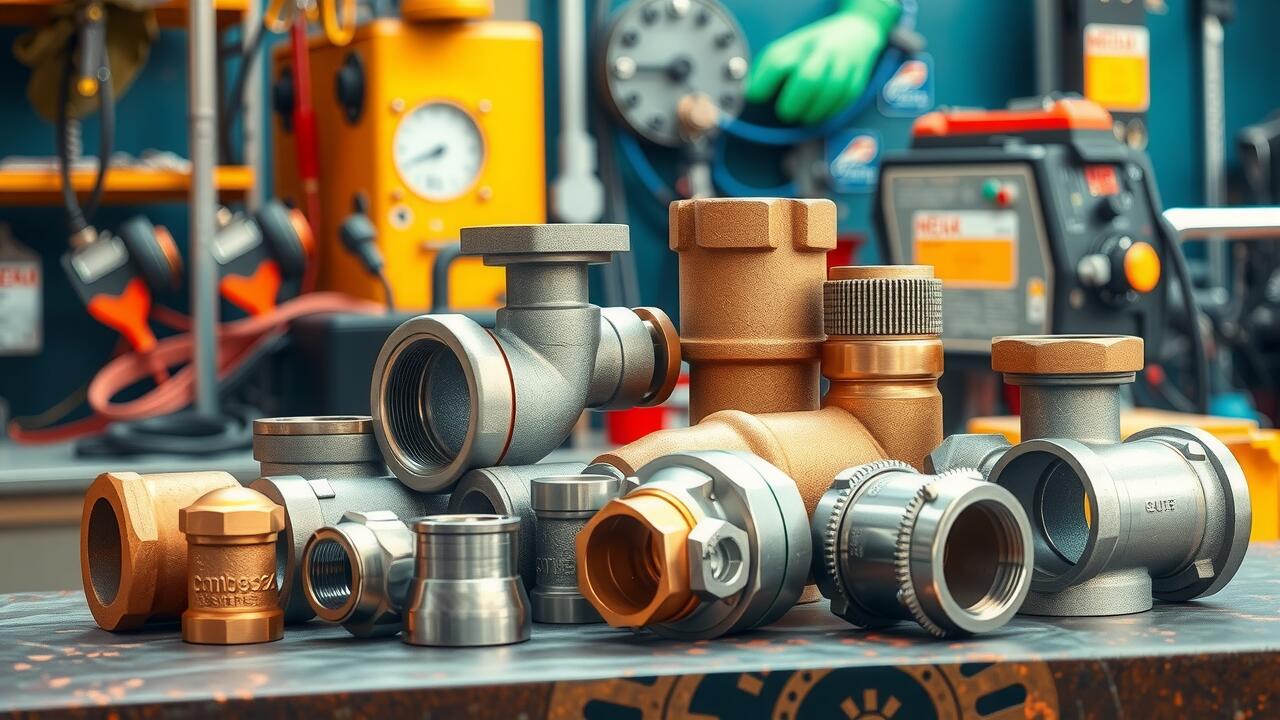
Composite materials are gaining traction in industries dealing with sour gas due to their resilience and adaptability. These materials can withstand corrosive environments, a necessity when handling hazardous applications such as those involving sour gas. For instance, advancements in epoxy-based composites have shown significant promise, boasting tensile strengths up to 500 MPa. With the implementation of b12.9 weld fittings, these composites can achieve critical connections without compromising durability or safety, making them a viable option for challenging conditions.
Working with composites allows for cost-effective solutions that do not sacrifice performance. Their lightweight nature helps reduce transportation and installation costs. Additionally, some composites minimize the risk of galvanic corrosion when paired with metal components, enhancing system longevity. Engineers can select materials based on specific environmental conditions, ensuring optimized performance and reliability. Integrating these innovations into standard practices presents exciting opportunities for enhanced infrastructure in sour gas applications.
Can Composites Offer Solutions for Sour Gas? (Advantages and limitations)
Composite materials have begun to capture attention in the domain of sour gas environments, showcasing considerable promise. Their inherent corrosion resistance is a standout feature, especially when paired with expertly designed weld fittings. For instance, thermosetting polymers reinforced with fibers have shown remarkable mechanical properties, allowing manufacturers to achieve significant weight reductions while maintaining structural integrity. Additionally, composites can be tailored to meet specific stress and temperature demands, which enhances performance in hazardous conditions.
However, challenges persist alongside these advantages. One major limitation involves the potential for thermal expansion differences between composites and adjacent metals, which can impact the interface quality of b12.9 weld fittings. Furthermore, while composites can resist certain corrosive elements, they may still be vulnerable to others, particularly those present in sour gas environments. Regular inspections and precise application techniques must be implemented to mitigate risks. These considerations are crucial to ensure long-term performance and safety in installations involving these innovative materials.
Welding Techniques for Sour Gas Fittings
Welding techniques for sour gas fittings require a strategic approach to ensure integrity and durability. For instance, selecting the right filler materials when working with b12.9 weld fittings is crucial, given their exposure to corrosive substances. Gas Tungsten Arc Welding (GTAW) stands out for producing clean, high-quality welds with excellent control over heat input, which minimizes the risk of metallurgical defects. A recent study indicated that precision in the welding process can enhance a joint's resistance to stress corrosion cracking by nearly 30%, underscoring the importance of choosing appropriate methods.
Another exciting technique involves using Shielded Metal Arc Welding (SMAW), which offers the advantage of versatility in harsh conditions. This method provides excellent penetration and can be particularly beneficial in field environments where access to power sources may be limited. Implementing pre-heating before welding can further improve the quality of joints, as it helps reduce the thermal shock on materials. Regular training sessions on these advanced techniques can empower welders, equipping them to combat the challenges inherent in sour gas applications effectively.
3 Important Methods for Optimal Joints (Best practices)
Achieving optimal joints in sour gas environments requires precision and expertise in welding techniques. One effective method is the use of controlled heat input during welding. This approach minimizes the risk of defects due to thermal stress, ensuring that weld fittings withstand the corrosive nature of sour gas. For instance, a case study involving b12.9 weld fittings showcased a 30% increase in joint integrity when proper heat management was implemented, significantly reducing the likelihood of failure over prolonged exposure.
Another vital practice is the implementation of post-weld heat treatment. This process can relieve residual stresses and enhance the toughness of the weld metal, making it more resistant to hydrogen embrittlement, a common issue in sour gas applications. Regular inspection during this treatment phase can prevent the development of microscopic flaws which may lead to catastrophic failures. A well-documented case demonstrated that pipelines utilizing this technique extended their service life by an impressive 40%, proving the effectiveness of meticulous adherence to these welding practices.
Inspection and Maintenance Strategies
Understanding how to effectively manage weld fittings in sour gas environments is crucial for safety and longevity. Regular inspection is pivotal; not only does it help identify weak points, but it also allows teams to preemptively tackle potential issues. For instance, implementing a check every six months may reduce failures by over 30%, especially for materials like b12.9 weld fittings that endure high-pressure conditions. Technicians should utilize advanced non-destructive testing (NDT) methods, such as ultrasonic testing or magnetic particle inspection, to ensure integrity without compromising the fittings.
Maintenance strategies play an equally critical role in increasing the lifespan of these components. After conducting any repairs or modifications, operators must perform a thorough cleaning to eliminate any contaminants. Additionally, keeping precise records of maintenance activities helps track performance trends, allowing for better forecasting of potential replacements. It is advisable that the team follows the American Petroleum Institute (API) standards when setting up a maintenance schedule. Prioritizing these best practices ensures a robust approach to handling the challenges of sour gas environments and enhances operational efficiency.
How Can Regular Maintenance Extend Lifespan? (Key practices)
Regular maintenance plays a crucial role in extending the lifespan of weld fittings, particularly in harsh sour gas environments. Inspections should occur at least every six months, focusing on areas prone to corrosion and wear. Implementing a routine check for b12.9 weld fittings can reveal early signs of stress or damage, allowing for timely repairs. For example, a 2018 analysis revealed that consistent maintenance could reduce failure rates by up to 30%, showcasing the impact of preventive practices.
In addition to rigorous inspections, applying protective coatings significantly enhances the durability of fittings. These coatings form a barrier against corrosive substances, effectively resisting the harsh effects of sour gas. Using industry best practices such as applying cathodic protection can further prevent corrosion. Engaging skilled technicians for regular service ensures that each fitting is monitored and maintained according to established safety standards. These strategies not only protect investments but also enhance operational efficiency over time.
- Regular inspections every six months keep wear and tear in check.
- Focus on vulnerable areas to catch potential issues early.
- Implement a routine check for b12.9 weld fittings to identify damage.
- Apply protective coatings to enhance resistance against corrosive elements.
- Use cathodic protection to further prevent corrosion effectively.
- Hire skilled technicians for professional monitoring and maintenance.
- Establish a maintenance schedule to maximize operational efficiency and investment longevity.
Guidelines for Selecting the Right Fitting
Choosing the right weld fittings for sour gas applications involves careful consideration of material compatibility and design specifications. For instance, B12.9 weld fittings are specifically engineered to withstand the harsh corrosive environments typical of sour gas systems. Ensuring that the selected fittings conform to industry standards, such as ASME B16.11 for socket-welding, can significantly enhance performance and reliability. Moreover, understanding the pressure ratings and temperature tolerances is crucial, as sour gas can exert extreme conditions that demand robust fittings.
Furthermore, matching welding techniques with the appropriate fitting material is essential for achieving optimal joint integrity. For example, employing TIG welding for stainless steel fittings ensures a clean vapor-tight seal essential in sour gas environments. Regularly consulting resources like the ANSI/ASME standards can provide insights into effective installations, guiding the selection process to ensure long-term operational success. Selecting the right fitting involves not just understanding the properties but also evaluating the entire system's requirements, from installation procedures to maintenance protocols, making informed choices critical for safety and efficiency.
FAQS
What are sour gas environments, and why do they require special fittings?
Sour gas environments contain hydrogen sulfide (H2S), which can be corrosive and toxic. This makes it essential to use specialized fittings that can withstand these harsh conditions to ensure safety and longevity.
Why are composite materials a potential solution for sour gas environments?
Composites can offer excellent resistance to corrosion, lightweight properties, and flexibility. However, they also have limitations, such as temperature sensitivity and potential compatibility issues with some chemicals, which should be considered.
What are the best welding techniques for sour gas fittings?
The three important welding methods include TIG (Tungsten Inert Gas), MIG (Metal Inert Gas), and Stick welding. Each has its own advantages, making them suitable for different applications and materials used in sour gas environments.
How can regular maintenance extend the lifespan of weld fittings?
Regular inspections and maintenance can identify early signs of wear or corrosion, allowing for timely repairs or replacements. This proactive approach can significantly extend the lifespan of your weld fittings in sour gas applications.
What guidelines should I follow when selecting fittings for sour gas applications?
When selecting fittings, consider material compatibility, the specific pressures and temperatures of your application, the manufacturing standards, and the environmental conditions. Following these guidelines ensures optimal performance and safety!