How to Select Weld Fittings for High-Pressure Offshore Oil Systems
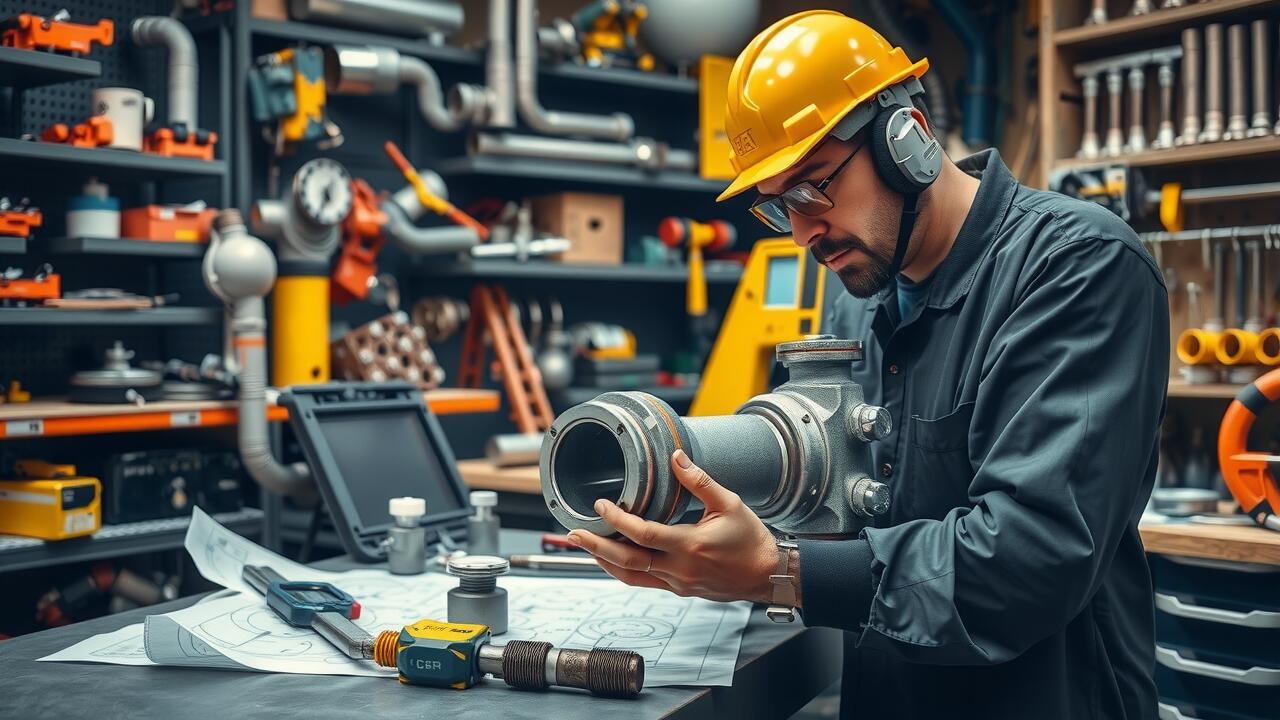
7 Common Types of Weld Fittings for High-Pressure Applications
Focusing on high-pressure applications, several types of weld fittings stand out due to their unique properties and performance capabilities. Carbon steel fittings frequently make the list for their durability and resistance to high-stress environments. For example, those utilizing B12.9 weld fittings benefit from enhanced strength, specifically designed to withstand the high pressures encountered in offshore oil systems. Stainless steel fittings, on the other hand, excel in resisting corrosion, a crucial factor given the exposure to harsh marine environments.
Another option includes alloy fittings, which can provide superior strength without sacrificing weight, leading to improved efficiency in installation and operation. When considering your project’s specific needs, brass fittings may also be utilized for low-pressure connections, combining excellent machinability with resistance to corrosion. Completion with the right size and gauge ensures optimal flow, significantly decreasing potential bottlenecks in high-stakes scenarios. The choice of fitting types will directly affect performance, longevity, and reliability, making informed decisions paramount.
How Can You Choose the Right Type for Your Needs?
Selecting the appropriate weld fittings for high-pressure offshore oil systems demands a keen understanding of your specific needs. For instance, if your project involves extreme temperatures and pressures, opting for b12.9 weld fittings could provide the robust solution you seek. These fittings boast exceptional corrosion resistance and mechanical strength, ensuring they can withstand the harsh offshore environment. Industry standards dictate using fittings designed for particular pressure ratings, so be vigilant in verifying that the components you choose meet or exceed the necessary specifications.
Furthermore, consider the materials from which the fittings are constructed. Stainless steel options are highly favored for their durability and longevity, especially in challenging conditions where exposure to salty water is a constant concern. Additional factors such as weldability, compatibility with existing systems, and adherence to guidelines set by organizations like the American Society of Mechanical Engineers (ASME) should inform your selection process. Engaging with your engineering team early in the planning stages will yield valuable insights into the weld fittings best suited to your high-pressure application.
Evaluating Supplier Reputation and Reliability
Selecting the right supplier for weld fittings, especially b12.9 weld fittings, can significantly impact the performance of high-pressure offshore oil systems. A reliable supplier often boasts certifications that align with industry standards like ASME and API. For instance, a company with ISO 9001 certification ensures a commitment to quality management practices, which can translate into better products and fewer issues down the line. When evaluating suppliers, consider their history and customer testimonials. A supplier with consistently positive feedback and a strong portfolio demonstrates a track record of reliability.
Another key aspect is the responsiveness of potential suppliers. Quick communication can indicate a supplier's commitment to customer service and their capacity to handle urgent needs. Requesting case studies or references from other clients also provides insight into how the supplier operates in real-world scenarios. Additionally, inquire about their warranty policies and any guarantees on the quality of the weld fittings. Understanding their return policies will help protect investments and provide peace of mind when selecting fittings for demanding environments.
What Questions Should You Ask a Potential Supplier?
Engaging with a potential supplier opens the door to vital insights about their capabilities. Start by asking about their manufacturing process for weld fittings. For instance, inquire whether they use advanced techniques like automated welding or manual methods. Understanding these details sheds light on product consistency and quality. You can also address their experience with specific standards, such as ANSI or ASME, which ensures the fittings can withstand high-pressure applications.
Next, don't shy away from asking for case studies or examples of previous projects. This can lead to a revealing discussion about the supplier’s expertise with specialized fittings, such as b12.9 weld fittings. Their ability to handle intricate projects demonstrates reliability and adaptability. You might also request client testimonials to gauge satisfaction levels. By focusing on these essential questions, you ensure that you align with a supplier who prioritizes both quality and performance in high-pressure offshore systems.
The Role of Testing in Ensuring Fitting Performance
Testing plays a pivotal role in validating the performance of weld fittings in high-pressure offshore oil systems. Rigorous assessments, such as pressure tests, ensure that fittings can withstand the demanding environments they will encounter. For instance, B12.9 weld fittings undergo extensive evaluations to meet critical industry standards. These tests not only assess tensile strength but also examine fatigue resistance, ensuring that even under extreme conditions, the fittings maintain structural integrity.
Moreover, these performance tests can reveal potential flaws that may not be visible through visual inspections alone. Data from industry studies show that implementing a thorough testing protocol significantly decreases failure rates during operations, highlighting the necessity of reliability in components. Actionable takeaways include examining the testing records provided by suppliers and prioritizing those who can demonstrate a history of consistent performance and adherence to industry regulations. By prioritizing testing, operators can enhance safety and efficiency within their offshore systems.
How Can Third-Party Tests Validate Quality?
Third-party tests serve as an essential quality check for weld fittings, ensuring they meet rigorous industry standards. These tests often include pressure tests, material evaluations, and fatigue assessments that expose the fittings to extreme conditions. For example, independent labs may conduct tensile strength testing on b12.9 weld fittings, demonstrating their ability to withstand high-pressure environments typical in offshore operations. Such validations provide invaluable assurance that your installations will perform reliably over time.
By engaging with certified testing agencies, companies can obtain detailed reports that highlight the performance factors of their selected fittings. These documents not only reinforce compliance with safety regulations but also facilitate informed decision-making. Additionally, third-party tests can identify potential failure points before equipment deployment, significantly reducing long-term costs and ensuring operational safety. Adopting a proactive testing strategy empowers businesses to mitigate risks effectively, enhancing both performance and operational integrity in demanding environments.
- Ensures compliance with industry standards and regulations
- Provides objective assessment of product quality
- Identifies potential weaknesses before product deployment
- Increases confidence among stakeholders and customers
- Reduces long-term maintenance costs through early detection of issues
- Enhances safety by preventing potential failures in critical applications
- Facilitates competitive advantage in the market through proven reliability
Troubleshooting Common Issues with Weld Fittings
When dealing with weld fittings, especially in high-pressure systems, identifying issues quickly is crucial. A common problem arises from improper installation, which can lead to leaks or catastrophic failures. For instance, a misaligned joint on a b12.9 weld fitting may result in significant pressure loss, which could jeopardize the entire operation. Tightening procedures must adhere to specified torque settings to ensure optimal performance; failing to do so often leads to irreversible damage.
Corrosion presents another alarming issue that can compromise weld fittings, particularly in offshore environments where exposure to harsh conditions is continuous. Regular inspections should include checking for signs of rust or pitting, which significantly weaken the structural integrity of fittings. Implementing a proactive maintenance schedule, complete with visual inspections and non-destructive testing methods, allows for the identification of degraded fittings before they become a liability. Use of protective coatings can also mitigate corrosion risks, extending the lifespan of components and enhancing overall system reliability.
FAQS
What are the most common types of weld fittings used in high-pressure offshore oil systems?
The most common types include elbows, tees, reducers, caps, and flanges, each designed to handle specific pressure and flow requirements.
How do I determine which weld fitting type is best for my high-pressure application?
Start by assessing your system's pressure requirements, fluid type, and flow direction. Then, consult with experts or reference industry standards to make the best choice!
Why is it crucial to evaluate a supplier's reputation when selecting weld fittings?
A reliable supplier ensures that you receive high-quality fittings that meet safety and performance standards, which is critical in high-stakes offshore environments!
What key questions should I ask a potential weld fitting supplier?
Inquire about their manufacturing processes, quality control measures, certification status, and experience in the offshore oil industry to gauge their reliability.
How do third-party tests contribute to the quality of weld fittings?
Third-party tests provide an unbiased assessment of the fittings' performance and durability, ensuring they meet stringent industry standards and can withstand high-pressure conditions!
What are some common issues I might face with weld fittings, and how can I troubleshoot them?
Common issues include leaks, corrosion, and improper fit. Troubleshooting involves regular inspections, pressure testing, and consulting with specialists for effective solutions.