The Science Behind Ceramic Weld Backing and Its Role in Metal Fabrication
Understanding Ceramic Weld Backing
What is Ceramic Weld Backing?
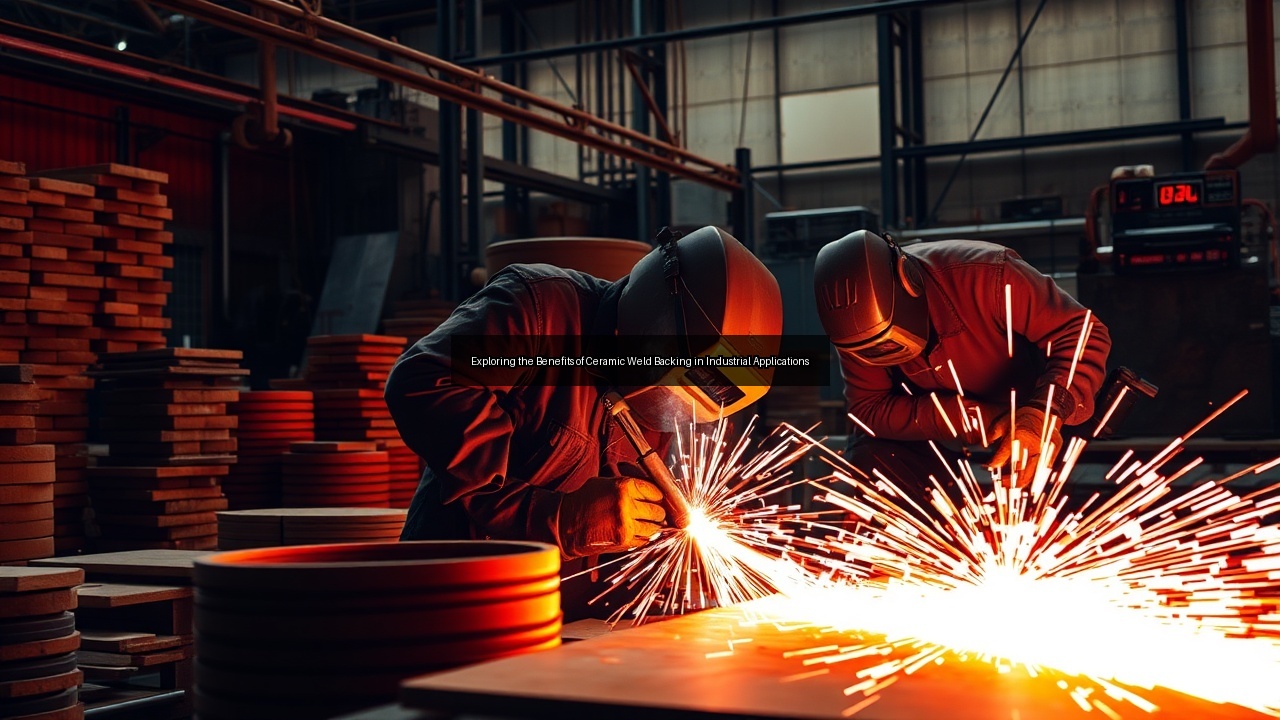
Ceramic weld backing supports the root pass during welding by providing a stable surface that contains the molten metal and prevents defects like burn-through or lack of fusion. Welders place ceramic backing strips or tapes directly behind the joint on pipes, plates, and structural components. This setup allows single-sided welding without the need for back gouging or additional passes. Ceramic weld backing delivers consistent results across various positions and joint designs. Professionals rely on it to maintain weld integrity while reducing cleanup time. The material withstands intense heat without melting or contaminating the weld pool, making it essential for high-quality fabrication work. Many shops now standardize on ceramic backing tape for its ease of application and reliable performance.
Composition and Properties of Ceramic Materials
Ceramics used in weld backing combine refined clay with other minerals to create a dense, heat-resistant structure. These materials resist thermal shock, maintain structural stability at temperatures exceeding 2000 degrees Fahrenheit, and remain chemically inert to avoid reactions with the weld pool. Key properties include low thermal conductivity that protects the backing from rapid heat transfer and high compressive strength that supports the weight of molten metal. Fiber reinforcement sometimes adds flexibility to strips and tapes without sacrificing durability. The composition ensures the backing withstands exposure to oxygen and argon shielding gases used in processes like TIG welding. Manufacturers engineer these ceramics to release minimal gases that could introduce porosity into the finished weld.
Types of Ceramic Weld Backing: Strips, Tapes, and More
Ceramic weld backing comes in multiple formats to match different welding scenarios. Strips offer rigid support for flat and horizontal joints on thick metal sections. Tapes provide flexibility for curved surfaces or pipe work where contours vary. Some products feature adhesive backing for quick attachment, while others include foil layers that enhance heat reflection and gas retention. Wheel-shaped or segmented designs fit around nozzles and complex geometries. Welders select backing thickness based on material type and current settings to achieve optimal root formation. Gullco International supplies a range of these options tailored for both manual and mechanized operations, giving fabricators precise control over weld bead shape and penetration.
The Role of Ceramic Weld Backing in Metal Fabrication
Enhancing Weld Quality and Integrity
Ceramic weld backing improves weld quality by supporting the molten pool and promoting full penetration without excessive reinforcement. The backing forces the weld metal to form a smooth, uniform root that resists cracking under load. Welders achieve higher deposition rates because they focus on the front side only. This approach reduces the chance of trapped slag or incomplete fusion that occurs with unsupported joints. Ceramic backing also minimizes distortion by allowing faster travel speeds and controlled heat input. Fabricators report fewer repairs and lower rejection rates when using ceramic backing strips on critical structures. The result is stronger, more reliable welds that meet stringent codes across structural and pressure applications.
Impact on Welding Techniques: TIG and MIG
In TIG welding, ceramic weld backing works with argon shielding to produce clean, precise roots on stainless and alloy steels. The backing maintains the arc gap and prevents atmospheric contamination from oxygen. Welders can run lower amperage values while still achieving complete joint penetration. For MIG processes, ceramic backing supports higher wire feed speeds and allows the use of various shielding gas mixtures without root defects. The material handles spatter and heat from short-circuit or spray transfer modes effectively. Both techniques benefit from reduced post-weld grinding because the backing creates flush or slightly convex roots. Many operators combine ceramic backing tape with welding rod selection to optimize bead appearance and mechanical properties.
Comparison with Traditional Weld Backings
Traditional weld backings such as copper or ceramic tile require more setup time and often leave marks that demand grinding. Ceramic weld backing eliminates these issues with its non-metallic, non-stick surface that releases cleanly after cooling. Copper bars conduct heat away too rapidly and can cause incomplete fusion on thin sections. Fiber-based or flux-coated alternatives sometimes introduce inclusions or require water cooling systems. Ceramic options provide better insulation and conformability without additional equipment. Shops that switch to ceramic backing strip report faster production cycles and improved safety because they avoid heavy copper handling. The material also lasts through multiple uses in many cases, lowering overall consumable costs compared with single-use flux tapes.
Applications of Ceramic Weld Backing in Industry
Use Cases in Heavy Metal Fabrication
Heavy fabrication shops apply ceramic weld backing on ship hulls, pressure vessels, and large structural beams where access to both sides is limited. The backing supports thick plate joints during multi-pass welding and maintains alignment under high heat. Fabricators use wider strips on carbon steel assemblies to handle greater weld volumes. In bridge and crane construction, ceramic backing ensures consistent root quality that passes radiographic inspection. Welders position the material along long seams with minimal fixturing, speeding up assembly. The technique reduces the need for internal scaffolding or flip operations on oversized components, cutting labor hours significantly while preserving weld strength and appearance.
Benefits in Automotive and Aerospace Sectors
Automotive manufacturers adopt ceramic weld backing for exhaust systems and chassis components that require leak-tight roots without distortion. The lightweight material fits automated cells where robots perform MIG welds at high speeds. Aerospace applications demand precise control over titanium and nickel alloy joints. Ceramic backing tape provides the necessary support while remaining compatible with stringent cleanliness standards. Engineers value the reduced heat input that preserves material properties in thin-walled structures. Both industries achieve weight savings and improved fatigue life because the backing promotes smooth transitions at the weld root. Quality teams document fewer defects and shorter inspection times when ceramic backing replaces older methods.
Ceramic Backing in Repair and Maintenance
Maintenance crews use ceramic weld backing during field repairs on pipelines, tanks, and rotating equipment. The portable strips and tapes allow welders to work from one side in confined spaces without draining systems or building temporary enclosures. Quick application supports emergency shutdown windows and minimizes production losses. Technicians match backing width to existing weld preparations to restore original joint geometry. The material performs well on rusted or painted surfaces after proper cleaning. Many repair procedures now specify ceramic backing to achieve code-compliant results on the first attempt. This approach extends equipment life and reduces the frequency of repeat interventions.
Choosing the Right Ceramic Weld Backing
Factors to Consider: Thickness, Size, and Compatibility
Selection begins with joint thickness and welding current. Thicker backing handles higher amperage and larger weld pools on heavy plate. Narrower strips suit fillet and groove joints on lighter metal. Compatibility with base material matters because certain ceramics resist specific alloys better than others. Welders check temperature ratings against preheat requirements and interpass temperatures. Adhesive strength and flexibility determine performance on vertical or overhead work. Proper fit prevents gaps that allow weld metal to escape. Testing small sections confirms the backing produces the desired root profile before full production begins. These choices directly affect weld appearance, mechanical properties, and overall project efficiency.
Brands and Products: ESAB, Gullco International
ESAB offers ceramic backing products engineered for consistent performance across manual and automated welding. Their formulations emphasize thermal stability and clean release characteristics. Gullco International focuses on integrated systems that combine ceramic backing tape with track-mounted carriages for long seams. Fabricators appreciate Gullco’s attention to uniform pressure application that prevents movement during welding. Both brands provide documentation on recommended joint designs and parameter ranges. Users compare product lines for specific shielding gas environments and material thicknesses. Reliable suppliers maintain stock of multiple widths and adhesive options to match varying shop requirements without delay.
User Recommendations and Best Practices
Experienced welders recommend cleaning the joint and backing surface thoroughly before placement to avoid inclusions. They align the ceramic weld backing flush with the root opening and secure it firmly with tape or clamps. Monitoring arc length and travel speed prevents excessive heat buildup that could degrade the backing. Many advise starting with lower amperage on test pieces to dial in root formation. Proper storage away from moisture preserves adhesive performance. Teams document successful parameter sets for repeat jobs. Following these steps maximizes the benefits of ceramic backing while extending its usable life across multiple shifts.
Future Trends in Ceramic Weld Backing Technology
Innovations in Ceramic Materials
Material scientists continue refining ceramic compositions to increase flexibility and thermal resistance. New formulations incorporate advanced fibers that allow tighter radii on complex joints without cracking. Manufacturers develop thinner profiles that maintain support for high-current applications. These advances expand the range of metals and thicknesses where ceramic weld backing performs reliably. Improved surface textures enhance weld pool control and reduce spatter adhesion. Ongoing testing focuses on compatibility with emerging high-strength alloys used in energy and transportation sectors. The result is backing products that deliver even greater consistency and ease of use for welders.
Environmental Considerations in Welding
Ceramic weld backing supports greener welding practices by reducing the volume of grinding dust and metallic waste generated during back-side cleanup. The inert nature of the material limits airborne contaminants compared with flux-based alternatives. Fabricators explore recycling programs for spent ceramic pieces where local regulations permit. Lower heat input enabled by effective backing decreases energy consumption per weld. Shops track these metrics to meet corporate sustainability goals. Ceramic backing also pairs well with low-fume welding consumables, further improving workplace air quality during extended operations.
The Future of Welding: Integration with Automation
Automated welding cells increasingly incorporate ceramic backing systems that feed tape or strips ahead of the torch. Sensors monitor alignment and adjust pressure to maintain optimal contact throughout long production runs. This integration reduces human error and supports higher throughput on repetitive joints. Robotic arms equipped with ceramic backing applicators handle curved or multi-axis seams that once required manual intervention. Data logging of backing performance feeds into process optimization software. As fabrication moves toward lights-out operations, ceramic weld backing remains a key enabler for consistent, high-integrity results without constant supervision.
See Also
- Mastering the Art of Welding with Ceramic Backing Techniques and Tips
- A Beginner's Guide to Using Ceramic Weld Backing for Flawless Welds
- The Future of Welding Technology Ceramic Backing Innovations
- How Ceramic Weld Backing Improves Durability and Precision in Welds
- Ceramic Weld Backing vs Traditional Methods What You Need to Know