Troubleshooting Common Weld Fitting Failures in Crude Oil Processing Units
Preventive Measures for Weld Fitting Longevity
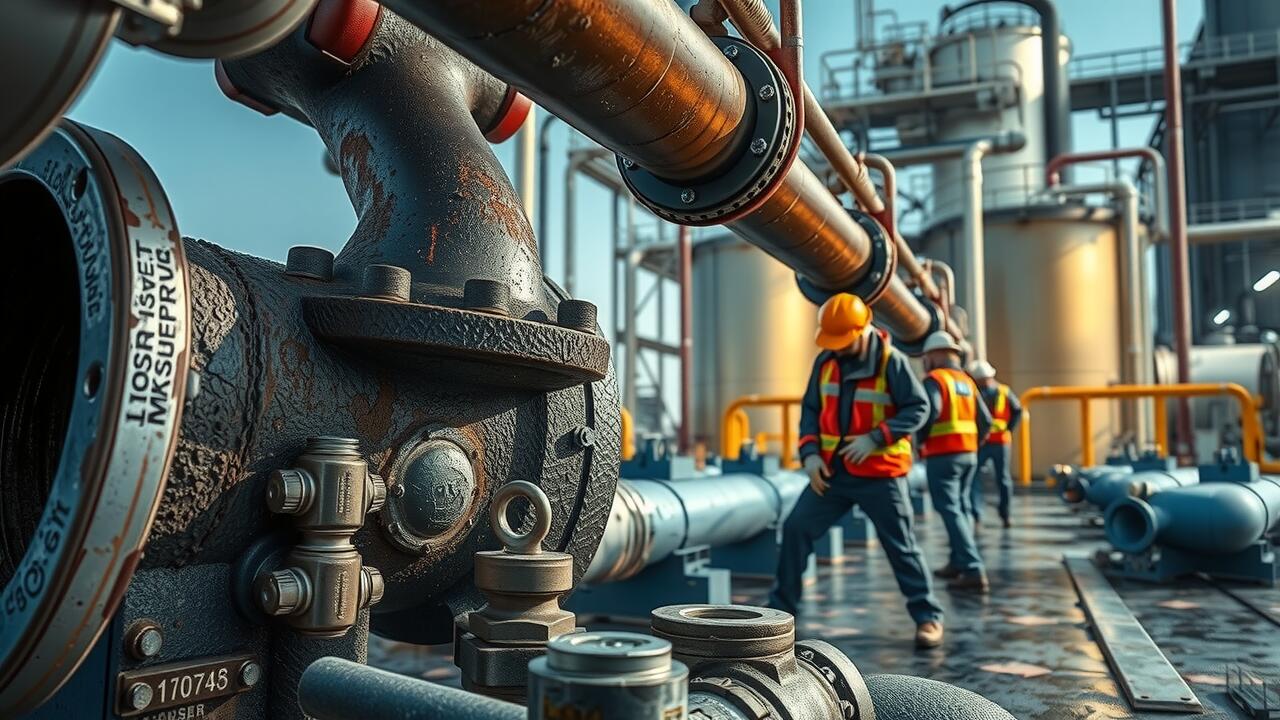
Regular inspections and maintenance protocols are crucial to ensure the longevity of weld fittings in crude oil processing units. For instance, adhering to guidelines outlined in ISO 3834, which emphasizes quality requirements for fusion welding, can substantially mitigate the risk of failures. Routine checks at scheduled intervals—preferably every six months—can help detect issues like corrosion or structural weaknesses before they escalate into catastrophic failures. Implementing a proactive maintenance schedule reduces downtime and enhances overall operational efficiency.
Upgrading welding techniques and equipment also plays a vital role in prolonging weld fitting life. Transitioning to advanced technologies, such as using a laser for precision welding, can improve joint integrity. Additionally, incorporating high-grade b12.9 weld fittings, designed to withstand extreme conditions, proves beneficial. Data shows that utilizing superior materials can increase weld strength by as much as 30%, making it essential to evaluate material choices during the design phase. By focusing on these preventive measures, operators can achieve greater reliability and safety in their processes.
7 Strategies to Enhance Weld Integrity
Ensuring the integrity of weld fittings requires a focused approach to both preparation and execution. One effective strategy is conducting thorough pre-weld inspections. This involves checking materials for inconsistencies, such as surface impurities or defects in the b12.9 weld fittings, which could compromise the overall strength and durability of the joint. Additionally, maintaining precise control over the welding parameters—temperature, speed, and technique—can lead to significantly improved results. Using established welding standards, including AWS D1.1, can provide a solid foundation for achieving superior weld quality.
Another crucial tactic is implementing regular training programs for welders. Engaging the workforce with hands-on workshops can enhance their understanding of welding processes and encourage adherence to best practices. A well-trained team can identify potential issues before they escalate, thereby reducing failure rates. Further, adopting non-destructive testing (NDT) techniques after completing welds can provide immediate feedback on weld integrity. Methods such as ultrasonic testing or dye penetrant testing can reveal defects that might otherwise go unnoticed, ensuring the reliability of the weld fittings in high-pressure applications.
Upgrading Materials for Better Welding Performance
Selecting the right materials significantly impacts the performance and longevity of weld fittings. For example, using b12.9 weld fittings, known for their robustness, can enhance the overall strength of the assembly. These fittings exhibit superior resistance to corrosion and cracking, especially in harsh environments like crude oil processing units. Conducting a thorough material analysis allows engineers to select alloys or coatings that enhance weldability, thus, minimizing defects during the welding process.
A case study from an oil refinery demonstrated that switching to high-performance nickel-based alloys led to a 30% decrease in weld failure rates. Workers equipped with updated material specifications managed to achieve improved penetration and fusion quality, resulting in tighter and more durable fittings. Investing in quality materials not only boosts structural integrity but also cuts down on costly maintenance, making it a strategic move for operators aiming for reliability and efficiency in their pipeline systems.
How Can Material Choice Influence Weld Quality?
Material selection profoundly impacts weld quality, especially when choosing appropriate components like b12.9 weld fittings. For instance, stainless steel has become a preferred choice due to its excellent corrosion resistance and strength, making it ideal for high-temperature crude oil processing environments. When welders utilize the correct materials, they can achieve a more durable, high-integrity weld. The use of low-alloy steels can also enhance performance by improving toughness and ensuring solid joint integrity, particularly in dynamic loading situations.
Understanding the specifics of weld fittings aids in making informed material choices that align with operational requirements. For example, using carbon steel fittings enhances weldability, but might lack the corrosion resistance necessary in harsher environments. Conversely, utilizing higher-grade alloys can significantly reduce the occurrence of defects like cracking and porosity during the welding process. By adhering to industry standards and performing thorough metallurgical assessments, professionals can increasingly elevate weld integrity while mitigating potential failures in crude oil processing units.
The Role of Training in Reducing Weld Failures
Investing in comprehensive training programs for personnel involved in welding processes can significantly reduce the occurrence of failures in weld fittings. For instance, a recent study conducted by the American Welding Society highlighted that organizations implementing regular training saw a 35% decrease in weld-related failures over a two-year period. Programs focusing on both fundamental welding techniques and advanced methods for specific applications, like b12.9 weld fittings, equip workers with essential skills tailored to address the unique challenges of crude oil processing units.
Additionally, familiarizing workers with industry standards and the latest welding technologies fosters a culture of quality and safety. Case studies show that facilities that prioritize ongoing education typically experience improved adherence to best practices and reduced operational downtime. By creating an interactive learning environment that encourages questions and hands-on experience, companies can empower their workforce. This proactive approach ensures that employees are not only well-versed in theoretical concepts but also competent in practical applications, fundamentally enhancing weld integrity and performance.
Why Does Workforce Education Matter in Welding?
Effective workforce education is a cornerstone of reducing weld failures, particularly in high-stakes environments like crude oil processing units. Skilled technicians who understand the nuances of weld fittings, such as b12.9 weld fittings, contribute to enhanced operational safety and integrity. By providing training that covers the latest welding techniques and material properties, companies can significantly decrease defect rates. A study revealed that workplaces with continuous education initiatives reported a 30% reduction in weld-related incidents over a three-year period.
Investing in education also empowers personnel to identify potential issues early. Training programs focused on real-world challenges enhance problem-solving capabilities. Workers trained in identifying the characteristics of quality welds can ensure adherence to industry standards, such as those set by the American Welding Society. This proactive approach leads to fewer rework situations and can save operations upwards of 25% in repair costs annually. Providing regular workshops and hands-on sessions fosters an environment where welding best practices are consistently reinforced, creating a culture of excellence in welding processes.
- Improved safety standards lead to a healthier work environment.
- Enhanced skill sets increase overall team productivity.
- Higher quality welds contribute to longer-lasting structural integrity.
- Continuous education boosts employee morale and job satisfaction.
- A skilled workforce can adapt to new technologies and techniques more readily.
- Reduces the likelihood of costly operational delays caused by rework.
- Fosters a stronger reputation for the company within the industry.
Troubleshooting Tools for Weld Fitting Issues
Effective troubleshooting tools can significantly streamline the process of identifying and rectifying issues with weld fittings in crude oil processing units. For instance, non-destructive testing (NDT) methods, such as ultrasonic testing and radiographic testing, enable inspection of weld integrity without damaging the components. These technologies allow technicians to detect internal flaws and assess the quality of b12.9 weld fittings quickly and accurately. Real-time monitoring systems further enhance problem detection by providing immediate feedback on the welding process, facilitating timely adjustments.
Another key tool is the implementation of detailed inspection checklists tailored to specific weld fittings and applications. These checklists can guide operators through essential evaluation steps, promoting consistent quality assurance and reducing oversight mistakes. Incorporating software solutions that analyze historical performance data can also identify patterns leading to failures, enabling proactive measures to prevent future occurrences. Ultimately, equipping teams with the right tools fosters a culture of safety and precision, ensuring that weld fittings remain durable and reliable under the demanding conditions of crude oil processing.
FAQS
What are some common causes of weld fitting failures in crude oil processing units?
Common causes include poor material selection, inadequate welding techniques, environmental factors, and lack of proper training for welders.
How can I enhance the integrity of welds in my processing unit?
You can enhance weld integrity by implementing preventive measures such as using high-quality materials, ensuring proper joint design, and regularly training your welders on best practices.
Why is material choice critical in welding performance?
Material choice affects weld quality because different materials respond differently to heat and stress. Selecting compatible materials ensures stronger, more durable welds that can withstand the harsh conditions in crude oil processing.
What role does workforce training play in preventing weld failures?
Workforce training is essential because it equips welders with the skills and knowledge they need to perform high-quality welds. Well-trained welders are more likely to follow best practices and reduce the risk of failures.
What tools can I use to troubleshoot weld fitting issues effectively?
You can use a variety of troubleshooting tools such as ultrasonic testing devices, visual inspection equipment, and welding process monitors to identify and resolve weld fitting problems efficiently.