Weld Fittings Inspection Protocols
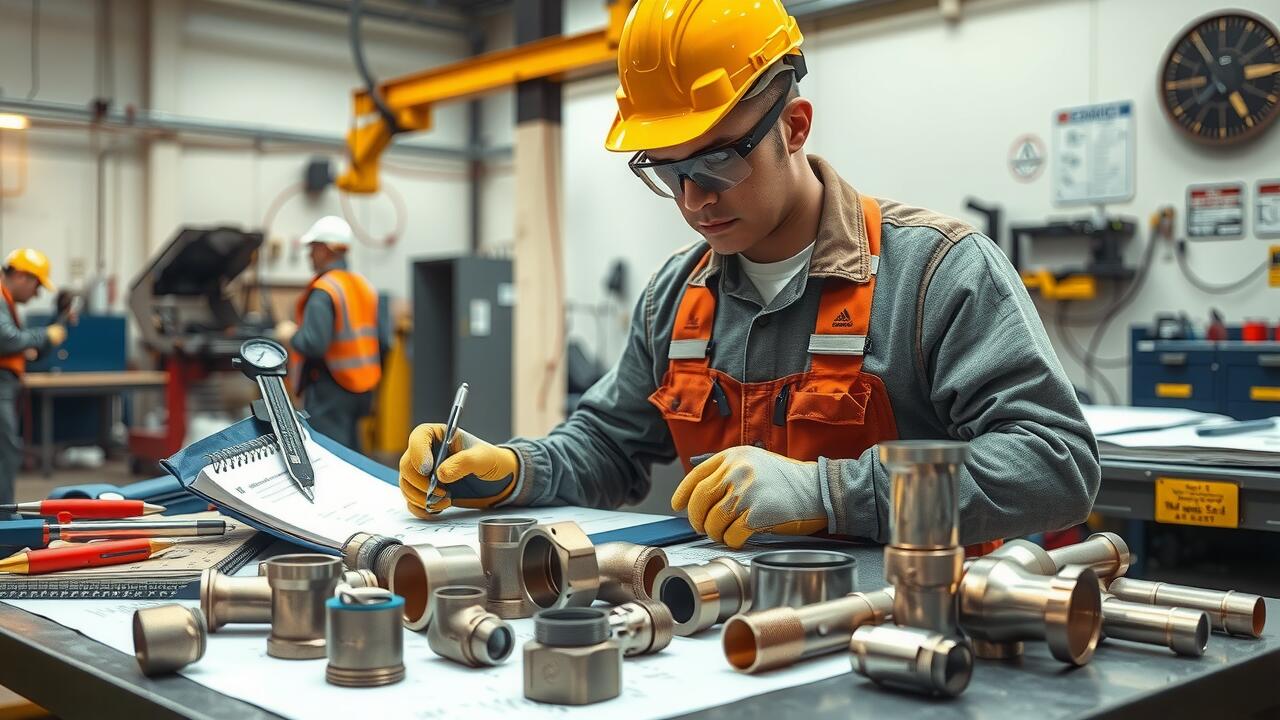
Stress Testing for Weld Fittings
Stress testing for weld fittings ensures their durability and reliability under extreme conditions. Utilizing various techniques, engineers assess how these critical components hold up under pressure and stress. Case studies highlight that improper welds can lead to significant failures, resulting in costly downtime. For example, an analysis of joint performance under fatigue testing showed that approximately 25% of failures were due to insufficient weld penetration in b12.9 weld fittings. Such testing uncovers vulnerabilities and aids in reinforcing the quality of welds through improved techniques.
Operators engage in a series of controlled stress environments to measure performance metrics accurately. Pressure testing, for instance, verifies the integrity of welds by simulating real-world operational conditions. The American Society of Mechanical Engineers (ASME) outlines strict guidelines for these procedures, ensuring compliance with industry standards. By adhering to these testing protocols, companies can reduce risks significantly, increasing operational safety. Collectively, these practices advance the field and inspire confidence in using welded fittings across various engineering applications.
Techniques for Conducting Effective Stress Tests
One effective technique for stress testing involves applying hydraulic pressure to weld fittings under controlled conditions, allowing engineers to measure the structural integrity of the connection. This method uncovers potential weaknesses that could lead to failure during operation. For instance, using B12.9 weld fittings, a pressure range of up to 1.5 times the design pressure is often employed to push the limits of material performance. Engineers routinely analyze the results and make data-driven decisions to enhance the design process and overall reliability.
Another valuable approach includes the implementation of fatigue testing, which examines how weld fittings perform under repeated load cycling. This test simulates real-world operational conditions, identifying early signs of wear or failure. Engineers should refer to industry standards, like ASME and ASTM, to ensure their testing methods align with best practices. Establishing baseline data through this rigorous testing process translates to actionable insights, leading to robust product development and superior quality assurance in fabricating weld fittings.
Documentation Practices in Weld Inspections
Accurate documentation stands as a cornerstone of effective weld inspections. When inspecting components like B12.9 weld fittings, meticulous record-keeping ensures traceability and reliability across projects. Inspectors often utilize industry standards like the AWS D1.1 to guide their documentation practices, ensuring compliance and facilitating efficient audits. By capturing data on weld dimensions, material properties, and inspection results, teams foster transparency, which is critical for high-stakes applications.
Moreover, utilizing advanced software solutions can streamline the documentation process significantly. Digital platforms allow for the integration of images and videos alongside traditional reports, providing comprehensive visual proof of weld quality. Case studies show that firms adopting digital documentation experience a 30% reduction in audit times. Structuring records with clarity facilitates easier navigation during evaluations, enhancing overall workflow efficiency while reinforcing the integrity of the inspection process.
Best Methods for Recording Inspection Findings
Accurately documenting inspection findings is crucial in the weld fittings industry. A clear and systematic approach ensures that critical information on b12.9 weld fittings is easily accessible for future reference. Using digital inspection tools can significantly enhance accuracy and efficiency. For instance, adopting software that integrates with inspection equipment allows for immediate data capture and reduces human error. This practice not only streamlines the recording process but also supports compliance with standards such as AWS D1.1 and ASME Section IX.
Incorporating standardized forms for inspection findings also enhances clarity. Each entry should include detailed descriptions, photographs, and measurements alongside unique identifiers. For example, noting the specific dimensions and any defects of weld fittings during inspections can highlight areas needing improvement, ensuring consistent quality maintenance. Implementing regular reviews of documented findings fosters accountability and promotes best practices within teams. This alignment helps maintain high standards while facilitating effective training for new inspectors.
Training and Certification for Inspectors
The significance of proper training and certification for inspectors cannot be overstated in the realm of weld fittings. Appropriate training ensures that inspectors possess a comprehensive understanding of materials, processes, and industry standards, such as those outlined by ASTM and ASME. For instance, inspectors who specialize in b12.9 weld fittings need to grasp specific welding procedures and the associated risks. This level of expertise enhances their ability to detect defects or inconsistencies that could compromise structural integrity.
Furthermore, achieving certification indicates that an inspector has met rigorous requirements. This formal recognition serves as an assurance of quality for businesses relying on weld fittings to withstand pressure and stresses in various applications. Programs like the Certified Welding Inspector (CWI) from the American Welding Society emphasize hands-on experience and theoretical knowledge, which are crucial in maintaining high performance standards. Well-trained inspectors often contribute to a notable decrease in rework costs, estimating up to a 30% reduction when proper protocols are followed. Fostering a culture of continuous learning in this field guarantees that inspectors remain aware of advancements in welding technology, ultimately ensuring safety and reliability in their assessments.
The Importance of Certification in Ensuring Quality
Certification plays a pivotal role in maintaining the integrity of weld fittings. For instance, inspectors who hold credentials from recognized organizations, such as the American Welding Society, are equipped to identify defects that could compromise safety and performance. A certified inspector can confidently carry out detailed evaluations, ensuring that b12.9 weld fittings adhere to industry standards, like ASME and AWS codes. These certifications provide assurance to project stakeholders, highlighting that their weld fittings are not just compliant, but also reliable under pressure.
The training required for certification creates a standardized benchmark in the field of welding inspections. Inspectors are trained to apply various nondestructive testing methods, such as ultrasonic or radiographic tests, which serve as critical tools in their arsenal. According to a recent industry survey, organizations employing certified inspectors reported a 30% reduction in failures attributed to welding defects. This statistic emphasizes the proactive approach to risk management that certification fosters, ensuring that only the highest-quality weld fittings gain approval for use in critical applications.
- Certification enhances safety and reliability in welding practices.
- Trained inspectors utilize advanced nondestructive testing methods for accuracy.
- Certified weld fittings meet stringent industry standards, ensuring quality.
- Organizations benefit from reduced failure rates and downtime due to welding defects.
- Certification fosters confidence among project stakeholders and clients.
- The standardized training promotes industry-wide consistency in inspections.
- Investing in certified inspectors can lead to long-term cost savings and project success.
Nondestructive Testing Methods for Weld Fittings
Nondestructive testing (NDT) plays a crucial role in verifying the integrity of weld fittings, ensuring they meet industry specifications without compromising their functionality. For instance, ultrasonic testing (UT) uses high-frequency sound waves to detect internal flaws in materials, making it particularly effective for b12.9 weld fittings. This technique provides a comprehensive examination of weld quality and material thickness, which is vital in applications ranging from aerospace to construction. According to industry standards, utilizing NDT methods can reduce failure rates significantly, improving safety and increasing the lifespan of installed systems.
Another popular method in the NDT toolbox is radiographic testing (RT). This approach employs radiation to create images of the weld and surrounding areas. RT can identify hidden imperfections, such as cracks or voids, which may not be visible through conventional inspection methods. Real-world applications show that implementing NDT strategies can enhance the overall quality assurance process, ultimately leading to lower maintenance costs and increased operational efficiency. Adopting the latest NDT technologies not only safeguards the performance of weld fittings but also aligns with regulatory compliance and customer satisfaction frameworks that define industry success.
FAQS
What are weld fittings and why are they important?
Weld fittings are essential components used to connect pipes and tubes in various systems. They ensure a secure and leak-proof connection, which is crucial for maintaining the integrity and safety of fluid or gas transport.
How can stress testing improve the reliability of weld fittings?
Stress testing helps identify weaknesses or defects in weld fittings before they are put into service. By simulating real-world conditions, these tests ensure that the fittings can withstand the necessary loads and pressures, boosting reliability and safety!
What documentation practices should be followed during weld inspections?
It is vital to maintain thorough documentation of all inspections, including detailed reports of findings, methodologies used, and any corrective actions taken. This transparency not only ensures compliance but also fosters continuous improvement in welding practices!
Why is certification important for weld inspectors?
Certification ensures that weld inspectors possess the necessary skills and knowledge to conduct thorough inspections. It provides a level of credibility and assures clients and employers that the inspections are performed to the highest industry standards!
What are some common nondestructive testing methods for weld fittings?
Common nondestructive testing (NDT) methods include ultrasonic testing, radiographic testing, and magnetic particle testing. These techniques help detect internal and surface defects without damaging the weld fittings, making them invaluable for quality assurance!