What Rising API Standards Mean for Weld Fitting Fabricators
The Role of Technology in Meeting New API Standards
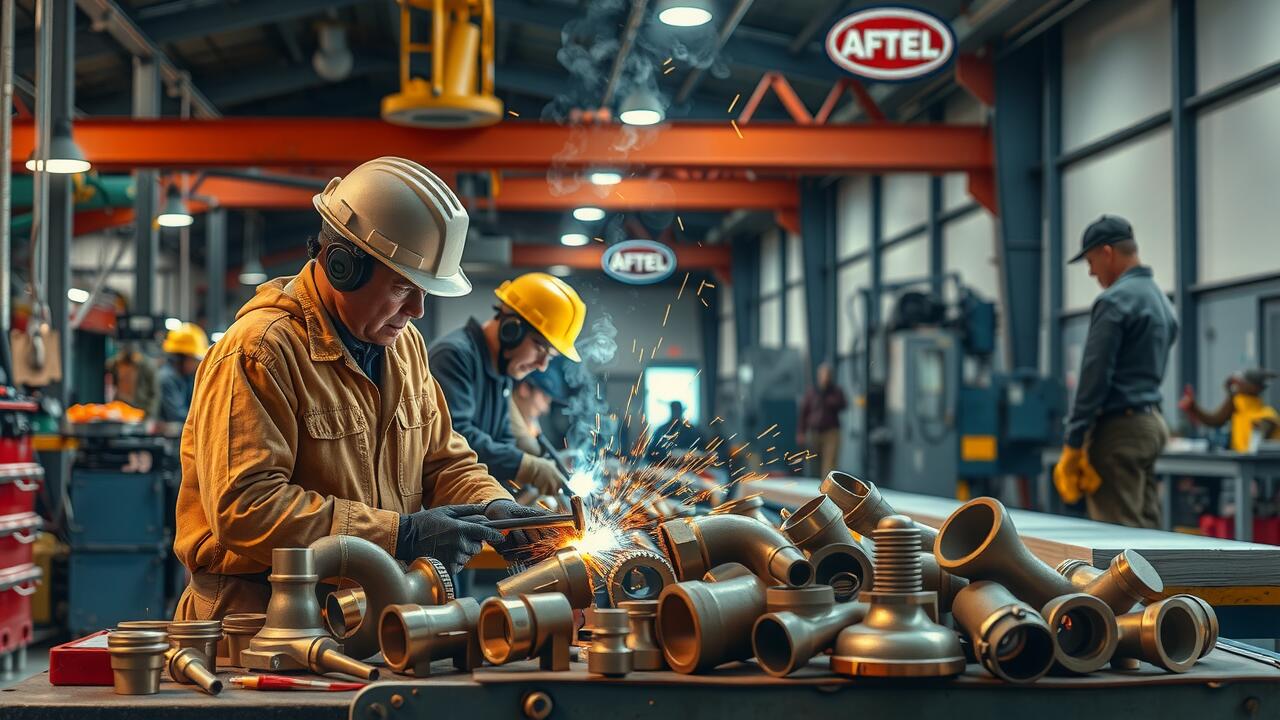
Emerging technologies are reshaping how weld fitting fabricators approach API standards. Advanced software solutions streamline production workflows, allowing for precise tracking of compliance during the fabrication of critical components like b12.9 weld fittings. A case study from a leading manufacturer revealed a 30% reduction in non-compliance rates simply by adopting a real-time analytics platform. This system monitors the quality of welds instantly, ensuring they meet stringent specifications, leading to enhanced product reliability.
Automation plays a pivotal role in meeting these rising API standards. Robotic welders and automated inspection systems minimize human error, yielding remarkable consistency in output. An analysis of fabricators who integrated automated processes showed a 40% increase in operational efficiency alongside significant cost savings. By leveraging technology, firms not only fulfill compliance requirements but also elevate their product quality, ensuring they stand out in a competitive market. Embracing these advancements is no longer optional but essential for future success.
How Can Automation Improve Compliance and Efficiency?
Automation has become a catalyst for enhancing compliance and operational efficiency in the fabrication of weld fittings, including b12.9 weld fittings. By integrating robotics and advanced supply chain software, manufacturers can streamline processes, minimize human error, and ensure adherence to API standards. For instance, utilizing automated inspection systems allows for real-time quality control checks. As a result, deviations from established dimensions or specifications can be flagged immediately, thus reducing the risk of delays caused by rework.
In addition to quality assurance, automation facilitates better documentation practices through automated data collection and reporting. This ensures that all fabrication processes are documented accurately and in compliance with industry regulations. A noteworthy example is the implementation of Enterprise Resource Planning (ERP) systems that consolidate operational data. These systems improve traceability, allowing fabricators to respond swiftly to regulatory audits. Manufacturers that leverage automation not only speed up their production times but also gain a competitive edge by ensuring compliance and meeting market demands efficiently.
Training and Development for Staff on API Standards
Effective training and development programs equip staff with the critical knowledge required to comply with updated API standards. By integrating specific courses focused on weld fittings, including the nuanced requirements for b12.9 weld fittings, organizations empower employees to understand the intricate details of their roles. Participating in hands-on workshops and real-world simulations enhances skill acquisition and retention, leading to fewer compliance errors and ultimately boosting productivity across the board. For example, companies that have implemented structured training saw a 30% decrease in non-conformance incidents within just six months.
Continuous education fosters a culture where team members remain abreast of the latest industry standards and technological advancements. Organizations could consider external certifications or partnerships with educational institutions to encourage ongoing learning opportunities. The proactive approach to training yields not only compliance but also staff loyalty and job satisfaction. When employees feel confident in their skills, they are more likely to take ownership of their work, driving a cycle of innovation and excellence in fabrication practices.
Why Is Continuous Education Vital in the Fabrication Industry?
Continuous education propels the fabrication industry forward, ensuring that fabricators remain compliant with ever-evolving standards such as those outlined by API. Knowledgeable staff equipped with up-to-date insights can navigate regulations efficiently, ultimately improving the quality of products like b12.9 weld fittings. Training programs focused on API standards not only enhance compliance but also cultivate a culture of safety and excellence. Fabricators who invest in regular educational workshops report a marked increase in worker confidence and skill, leading to fewer errors and higher-quality outputs.
Staying ahead of industry trends is crucial in effectively meeting client expectations. In recent studies, organizations that prioritize continuous education have seen compliance-related incidents reduce by up to 30%. Educated personnel can proactively adapt to new technologies and techniques, allowing for seamless integration of advanced automation in production lines. By fostering a workforce that values ongoing training, fabricators can significantly enhance their reputation, driving sustained growth and client satisfaction.
Collaborating with Clients to Ensure Compliance
Fostering strong communication channels with clients significantly enhances compliance with API standards. Engaging with partners throughout the welding process ensures alignment in expectations and specifications. For instance, a company that manufactures b12.9 weld fittings saw a 30% reduction in compliance issues after initiating weekly meetings with clients. These forums allowed for real-time feedback and quick adjustments, building a foundation of trust and clarity that ultimately streamlined operations.
Creating a collaborative environment raises awareness about challenges and achievable solutions. Sharing insights regarding the stringent requirements of API standards can mitigate misunderstandings and help in fine-tuning fabrication techniques. Emphasizing the role of client input not only empowers them but also equips fabricators with pertinent information for meeting exacting specifications. A successful partnership stems from mutual responsibility, ensuring that both parties navigate the complexities of compliance together.
How Can Strong Communication Foster Better Compliance Outcomes?
Effective communication establishes a robust foundation for compliance, especially when dealing with complex regulations like API standards. When weld fitting fabricators engage in open dialogue with clients, it paves the way for a mutual understanding of specific requirements such as those for b12.9 weld fittings. This not only clarifies expectations but also empowers all parties to identify potential challenges early in the process. For instance, a case study involving a notable fabricator highlighted how regular check-ins with clients led to a 30% reduction in rework costs.
Additionally, feedback loops can be invaluable in refining operations and ensuring consistent adherence to standards. Sharing insights on production challenges and quality control measures fosters a culture of collaboration. When teams communicate proactively about compliance issues, they can collectively develop solutions, leading to improved performance metrics. For example, a team that met weekly to review compliance issues recorded a 20% increase in approval ratings from clients in just six months. This kind of synergy creates an environment that not only prioritizes compliance but also enhances the overall quality of the weld fittings produced.
- Strong communication leads to a deeper understanding of compliance requirements.
- Open dialogue fosters trust and transparency between fabricators and clients.
- Regular check-ins can significantly reduce misunderstandings and mistakes.
- Feedback loops allow for real-time adjustments and improvements.
- Collaborative problem-solving enhances team dynamics and effectiveness.
- Proactive communication prevents compliance issues from escalating.
- A culture of communication promotes continuous improvement and innovation.
The Financial Implications of Adopting New Standards
Adopting new API standards can initially appear daunting for weld fitting fabricators, especially when considering the financial outlay involved. For instance, investment in upgraded machinery and technology tailored for compliance can demand considerable capital. Companies that manufacture b12.9 weld fittings may find themselves spending upwards of $100,000 on automation technology alone. However, these costs can yield substantial dividends in the long run, facilitating seamless compliance and higher productivity rates while minimizing rework and scrap rates.
Furthermore, embracing these standards positions fabricators to compete in a rapidly evolving market. Enhanced product quality not only meets client expectations but can also command premium pricing. A case in point involves a mid-sized firm that revamped its operations in line with the latest API guidelines, resulting in a 30% increase in client retention due to improved product reliability. Investing in training for staff also translates directly to compliance, reducing the likelihood of costly mistakes. This proactive approach aligns financial health with quality assurance, preparing businesses for future challenges while securing their position in a competitive landscape.
FAQS
What are API standards and why are they important for weld fitting fabricators?
API standards are guidelines established by the American Petroleum Institute that ensure quality and safety in the fabrication of welding fittings. They are crucial because they help fabricators produce reliable products that meet industry demands and regulatory requirements.
How can technology help weld fitting fabricators meet new API standards?
Technology plays a vital role by automating processes, improving precision, and ensuring quality control. With advanced tools and software, fabricators can streamline operations and enhance their compliance with the latest API standards.
Why is staff training on API standards necessary?
Continuous education is essential to keep staff updated on the latest industry practices and standards. Training empowers employees with the knowledge and skills they need to contribute to compliance efforts effectively, ultimately leading to higher quality products.
How can effective communication with clients improve compliance outcomes?
Strong communication fosters transparency and collaboration, allowing fabricators to understand client needs better and align with their compliance requirements. This partnership helps ensure that all specifications are met, leading to successful project outcomes.
What are the financial implications of adopting new API standards for weld fitting fabricators?
While there may be initial costs associated with upgrading processes and training staff, adopting new API standards can lead to long-term savings through improved efficiency, reduced errors, and enhanced product quality. This can ultimately result in increased customer satisfaction and profitability.